
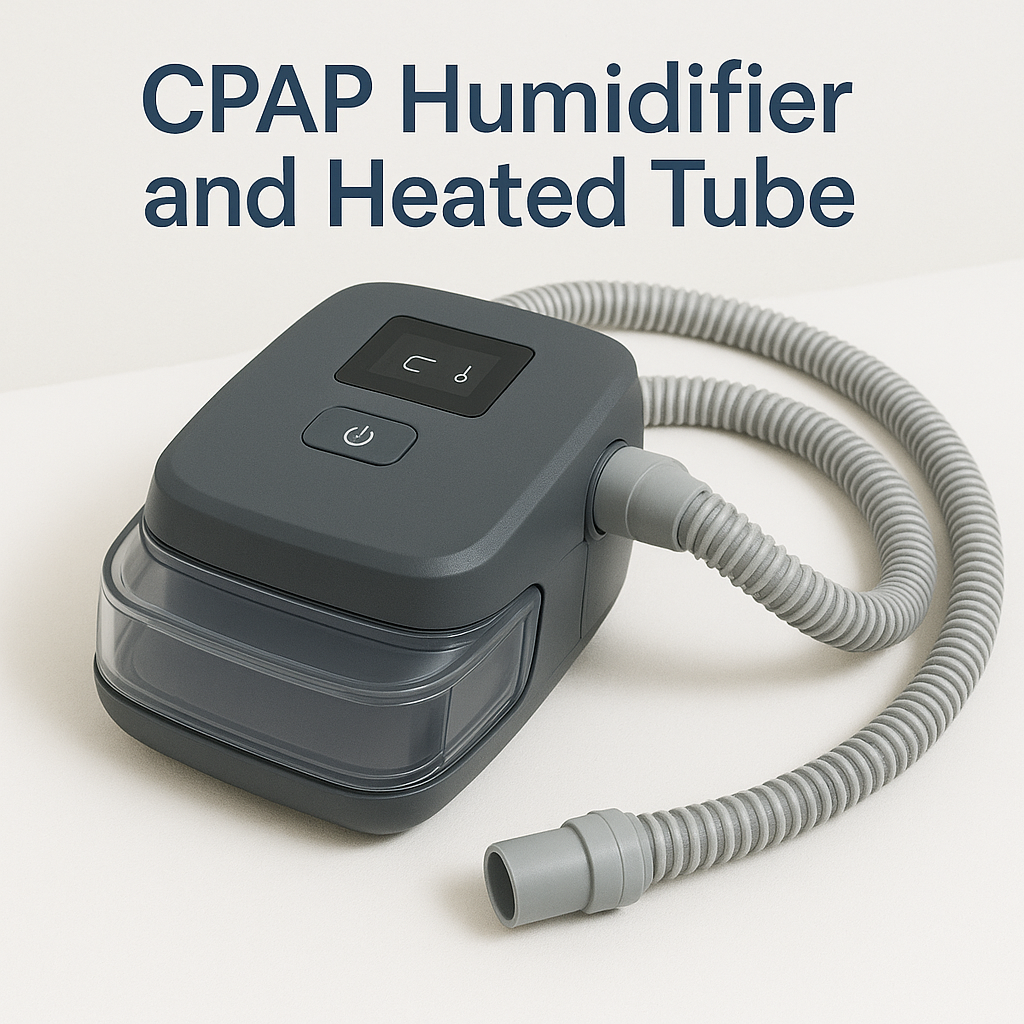
For many in the UK living with sleep apnoea, Continuous Positive Airway Pressure (CPAP) therapy is a lifeline. It ensures open airways throughout the night, leading to better sleep and improved overall health. However, a common complaint among CPAP users is the dryness or irritation that can come with the continuous airflow. This is where a CPAP humidifier steps in, transforming your therapy experience.
CPAP humidifier – a device designed to add moisture and warmth to the air delivered by your CPAP machine. Let’s explore everything you need to know about these beneficial additions for your CPAP therapy in the UK.
What is a CPAP Humidifier and How Does it Work?
A CPAP humidifier, often integrated into the CPAP machine itself or as an attachable unit, contains a water chamber. As air from the CPAP machine passes through this chamber, it picks up moisture, making the air you breathe in more comfortable. Most modern humidifiers are “heated humidifiers,” meaning they have a heating element that warms the water, increasing the moisture content and providing a more natural, comfortable breathing experience. Some also pair with heated tubing, which prevents condensation (often called “rainout”) from forming in the hose and mask.
The Positives: Why Use a CPAP Humidifier?
Using a humidifier with your CPAP machine can significantly enhance your therapy comfort and compliance. Here are the key benefits:
- Combats Dryness: The most significant advantage is alleviating dry mouth, nose, and throat, which are common side effects of CPAP therapy, especially for mouth breathers or in drier climates.
- Reduces Nasal Congestion and Irritation: Moist air can help soothe nasal passages, reduce congestion, and prevent irritation that can lead to nosebleeds or sinus issues.
- Improves Comfort: Warm, humidified air feels more natural and less harsh than dry, cool air, making it easier to adapt to and consistently use your CPAP machine.
- Prevents “Rainout” (with Heated Tubing): When warm, humidified air travels through a cooler tube, condensation can form. Heated tubing maintains the air temperature, preventing water droplets from accumulating in your hose or mask, which can be disruptive and uncomfortable.
- Better Therapy Compliance: When therapy is comfortable, you’re more likely to use your CPAP machine consistently, leading to better sleep apnoea management and improved health outcomes.
The Negatives: Potential Drawbacks to Consider
While humidifiers offer numerous advantages, there are a few potential drawbacks to be aware of:
- “Rainout” without Heated Tubing: As mentioned, without heated tubing, condensation can occur, leading to water dripping into your mask. This can be annoying and interrupt your sleep.
- Maintenance Requirements: Humidifiers require daily cleaning and regular deeper cleaning to prevent the build-up of mineral deposits, mould, and bacteria. This adds a small but important task to your daily routine.
- Increased Travel Bulk: If your humidifier is a separate unit or if you travel frequently, it adds extra bulk to your CPAP setup. Some smaller travel CPAP machines offer waterless humidification options as an alternative.
- Power Consumption: Heated humidifiers consume a small amount of electricity, which might be a consideration if you rely on battery power for travel or in areas with limited access to power.
- Potential for Infections (if not cleaned properly): If the humidifier chamber isn’t cleaned regularly, it can become a breeding ground for bacteria and mould, potentially leading to respiratory infections.
Water Type: What to Use in Your CPAP Humidifier
This is a crucial point for CPAP humidifier users in the UK and worldwide. You should only ever use distilled water in your CPAP humidifier.
Here’s why:
- Prevents Mineral Build-up: Tap water, even in the UK, contains minerals and impurities (like limescale). Over time, these minerals can accumulate in the humidifier chamber, leading to chalky deposits, affecting the humidifier’s efficiency, and potentially damaging the machine.
- Minimises Bacteria and Mould Growth: While distilled water isn’t sterile, it significantly reduces the risk of introducing bacteria and mould that can thrive in stagnant water with mineral content. This ensures you’re breathing in clean, pure air.
You can typically purchase distilled water from pharmacies, supermarkets, or online retailers in the UK. While some sources might suggest using cooled, boiled tap water as an emergency alternative, distilled water is the gold standard for maintaining your machine and your respiratory health.
Maintenance: Keeping Your Humidifier Clean and Safe
Proper maintenance is paramount for the effectiveness and safety of your CPAP humidifier. Here’s a general guide, but always refer to your specific machine’s user manual for detailed instructions:
Daily Cleaning:
- Empty the Water: Every morning, discard any leftover water from the humidifier chamber. Do not reuse water.
- Wipe and Air Dry: Wipe the inside of the chamber thoroughly with a clean, disposable cloth and allow it to air dry completely, away from direct sunlight.
- Refill with Fresh Distilled Water: Before each night’s use, refill the chamber with fresh distilled water up to the maximum fill line.
Weekly Deeper Cleaning:
- Disassemble: Carefully disassemble the humidifier chamber according to your machine’s instructions.
- Wash with Mild Soap: Wash the chamber in warm water using a mild, unscented dishwashing liquid or baby shampoo. Avoid harsh chemicals, bleach, alcohol-based cleaners, or moisturising/antibacterial soaps, as these can damage the plastic or leave harmful residues.
- Rinse Thoroughly: Rinse all components thoroughly with clean, warm, drinking-quality water to remove all soap residue.
- Soak (Optional): Some manufacturers recommend a weekly soak in a solution of equal parts white vinegar and warm water to help break down mineral deposits. Check your user manual for this.
- Air Dry Completely: Allow all parts to air dry completely on a clean towel or by hanging them (like the tubing) before reassembling and reattaching to your CPAP machine. Ensure no moisture remains to prevent bacterial growth.
Important Maintenance Tips:
- Check for Wear and Tear: Regularly inspect the humidifier chamber for any cracks, discolouration, or signs of wear. Replace it if damaged.
- Replace Filters: If your CPAP machine has a humidifier filter, follow the manufacturer’s guidelines for cleaning or replacing it.
- Don’t Overfill: Never overfill the water chamber, as this can lead to water entering the CPAP machine itself, potentially damaging it.
- Position Your Machine: Always place your CPAP machine on a level surface lower than your head to prevent water from flowing back into the tubing or mask.
Conclusion
For many CPAP users in the UK, a humidifier is not just an accessory but an essential component for comfortable and effective sleep apnoea therapy. By understanding its benefits, being aware of potential drawbacks, using the correct water, and committing to regular maintenance, you can ensure your CPAP humidifier provides you with the moist, comfortable air you need for a truly restful night’s sleep. If you’re experiencing dryness or discomfort with your current CPAP setup, speak to your healthcare provider or CPAP supplier about incorporating a humidifier into your routine.